100
The Ghost in the Machine: Does Love Survive Its Own Chemical Unveiling?
The hum of personal drones is as commonplace as birdsong once was, and augmented reality overlays shimmer on nearly every surface, offering personalized information, companionship, or escape. Humanity, in its relentless pursuit of understanding, has mapped the cosmos, decoded the genome, and now, finally, biochemists have achieved the holy grail of neuroscientific inquiry: they have completely and unequivocally unraveled the chemical process that occurs in a person’s brain when they are truly and deeply in love.
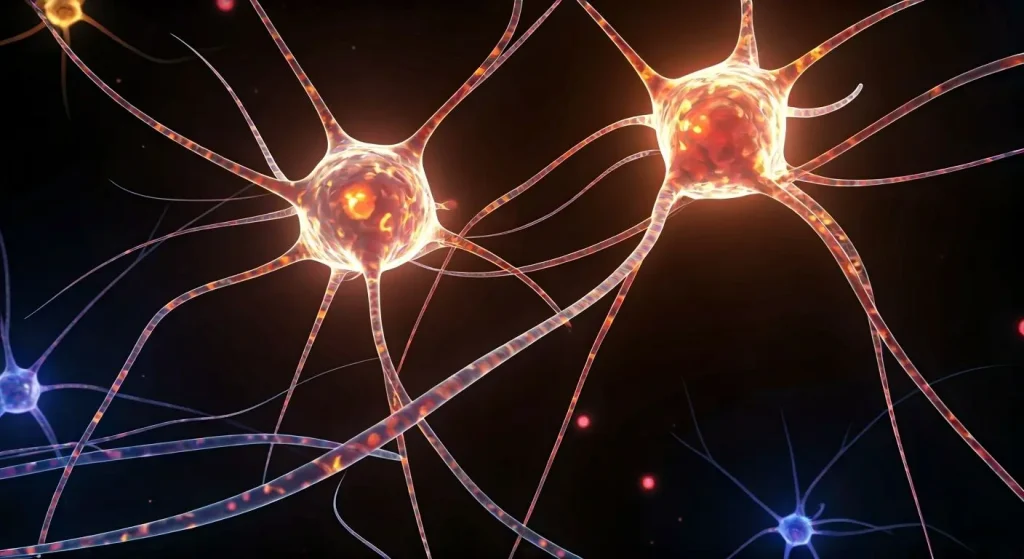
Every neurotransmitter, every hormonal cascade, every neural pathway firing in synchronous, exquisite harmony – it’s all laid bare. The molecular ballet that paints the world in hues of euphoria, longing, and attachment is no longer a mystery, but a meticulously documented, replicable blueprint.
And so, we stand at a precipice. For centuries, love has been the ultimate enigma, a divine spark, a transcendent force that defied logic and analysis. It was the last redoubt of the unknowable, the sacred whisper in a world increasingly dominated by cold, hard data. But now, it too has been quantified, its magic reduced to biochemical formulae.
The question echoes through the chambers of our collective consciousness, a disquieting whisper in the age of absolute knowledge: Will this ultimate scientific demystification finally extinguish the flame of love, which has already been so weakened by the total supremacy of science and high technology? Or, more fundamentally, does true love even exist, or is it merely a sophisticated, if beautiful, chemical process?
The Revelation: A Blueprint for Bliss
Imagine the headlines: “Love Decoded! Scientists Map the Neurochemical Basis of Deep Affection.” For decades, we suspected. We knew about oxytocin, the “cuddle hormone,” and vasopressin, linked to long-term bonding. We understood dopamine’s role in the reward system, creating the blissful highs and addictive cravings of new romance. Serotonin imbalances seemed to mirror obsessive thoughts, a hallmark of infatuation. But these were pieces of a puzzle. Now, the entire mosaic is complete.
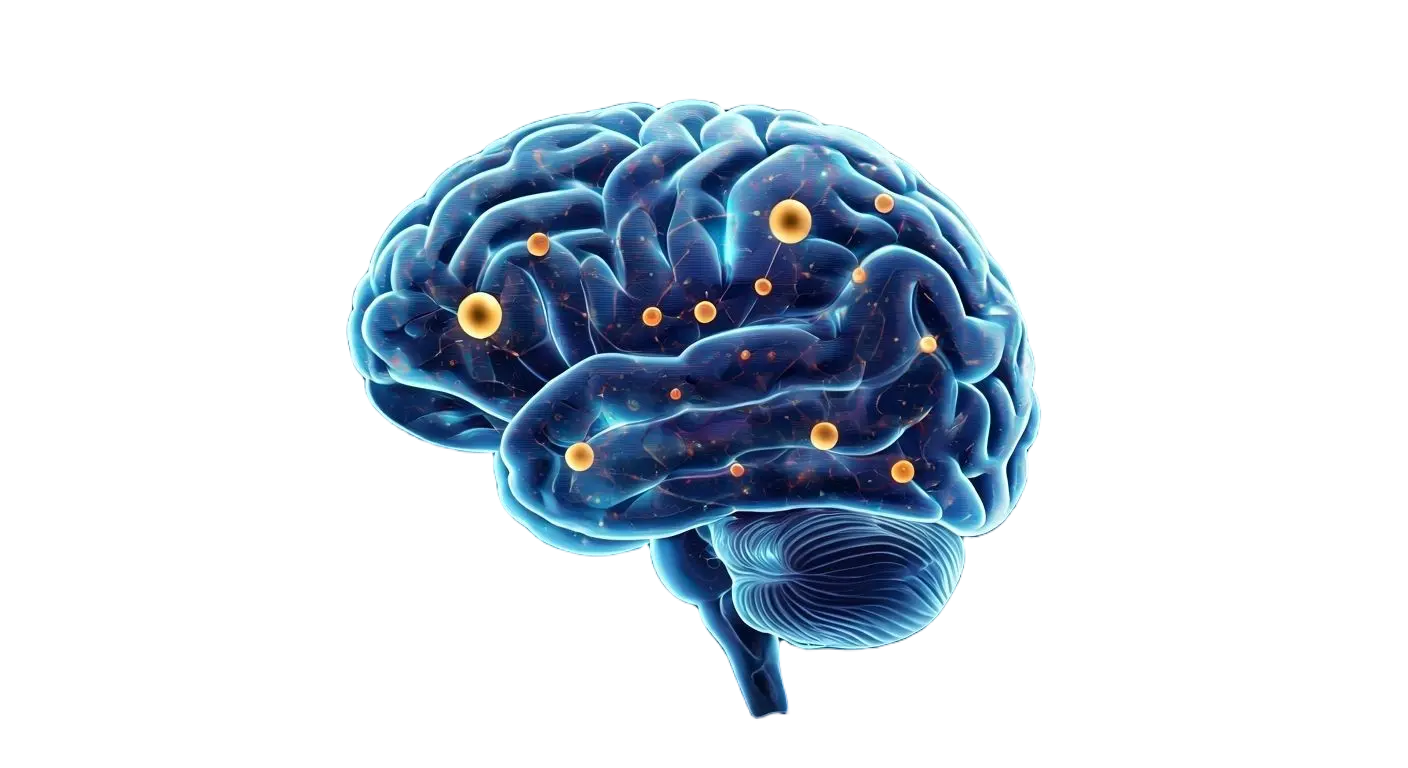
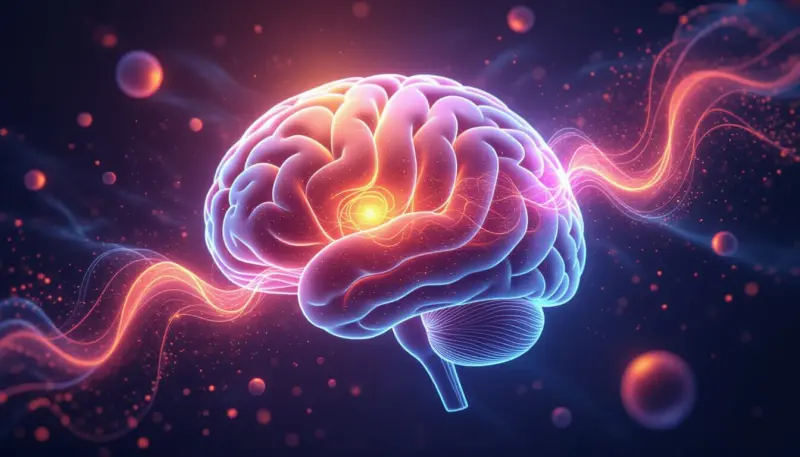
The 21st century breakthrough isn’t just about identifying a few key players; it’s about understanding the symphony. It pinpoints the precise sequence of genetic expressions, protein synthesis, and neuronal firings that ignite, sustain, and even ebb in a loving brain. Researchers can now, theoretically, observe the prefrontal cortex lighting up in patterns indicative of future romantic compatibility, or detect the nascent stirrings of attachment in the limbic system long before conscious recognition.
This isn’t merely academic. The implications are staggering. We can now:
- Diagnose “Love”: Is someone genuinely in love, or merely experiencing infatuation, lust, or a strong platonic bond? A brain scan or biochemical assay could provide objective data.
- Predict Compatibility: Imagine pre-screening potential partners not just on psychological profiles, but on neurochemical resonance. “Your dopamine reward pathways show a remarkable synchronicity with Subject B’s oxytocin receptors, indicating a high probability of lasting attachment.”
- Enhance or Mitigate Love: For those struggling with apathy, depression, or an inability to form bonds, targeted therapies could potentially “tune” their neurochemistry to foster love. Conversely, for those trapped in destructive, unrequited, or obsessive love, interventions could gently dial down the intensity, offering release.
- Engineer Connection: While ethically fraught, the knowledge opens the door to designing experiences, environments, or even pharmaceutical interventions specifically tailored to evoke feelings of profound connection and affection.
The veil has been lifted. The magician’s trick revealed. But does exposing the mechanism destroy the magic?
The Already Diminished Flame: Love in the Technocratic Age
Before this ultimate revelation, many already quietly mourned the fading luster of romantic love. The 21st century didn’t suddenly invent skepticism; it merely amplified trends that began decades earlier.
Technology’s Pincer Grip: Dating apps, once novel, became ubiquitous, transforming courtship into a transactional algorithm. Swiping left and right reduced human connection to a rapid-fire judgment based on curated profiles and superficial metrics. The pursuit of “optimization” led to a paradox: more choice, less commitment. Why invest deeply when an endless stream of potentially “better” options was just a tap away?
Virtual companions, hyper-realistic AI partners, and sophisticated haptic feedback suits offered intimacy without vulnerability, passion without pain, fidelity without effort. For many, these digital surrogates provided a safe, predictable haven, eroding the perceived necessity – and reward – of enduring the messy, unpredictable realities of human relationships. Why navigate the complexities of another consciousness when an AI could perfectly anticipate your needs and never argue about the dishes?
Science’s Unfeeling Gaze: Long before love’s neurochemical blueprint was complete, scientific reductionism had already begun dissecting human experience. Evolutionary psychology explained mate selection as a drive for genetic propagation. Sociological studies quantified relationship success, predicting divorce rates based on income, education, and shared hobbies. Even psychological therapies, while beneficial, often framed emotions as neurological patterns to be rewired. We learned to label our feelings, to categorize our anxieties, to understand our triggers – but did we lose the capacity to simply feel them, unanalyzed, unquantified?
This relentless analysis, while providing invaluable insight, inadvertently chipped away at the perceived uniqueness and transcendence of love. If love could be explained by brain chemistry and evolutionary urges, wasn’t it just another biological function, albeit a complex one? The spiritual, the poetic, the inexplicable dimensions began to feel anachronistic, quaint artifacts of a less enlightened age.
Societal Shifts: The relentless march of individualism, career ambition, and instant gratification also played its part. Commitment became a burden, vulnerability a risk. The patient cultivation of a shared life, once a societal cornerstone, was often deferred, if not abandoned, in favor of personal growth, self-actualization, and a fluid, unencumbered lifestyle. Love, in this context, risked becoming another item on a checklist, another experience to optimize, rather than the profound, transformative journey it once symbolized.
So, when the biochemists announced their triumph, it wasn’t an attack on a vibrant, thriving flame. For many, it felt more like the delivery of a definitive autopsy report on a patient who had been slowly fading for decades.
The Existential Crisis: True Love or Just Chemicals?
This is where the rubber truly meets the road. If we can isolate, measure, and potentially manipulate the exact chemical cocktail that produces the feeling of love, what does that mean for the concept of “true love”?
The Reductionist’s Stance: “It’s Just Chemicals.”
For the staunch materialist, the answer is clear: Love is nothing more than its underlying neurochemical processes. To argue otherwise is to cling to an outdated, pre-scientific mysticism. The experience of love, the butterflies, the yearning, the deep connection – these are merely the subjective interpretations of specific neural states. Your brain is releasing oxytocin; therefore, you feel bonded. Dopamine surges; therefore, you feel pleasure and motivation towards your partner.
From this perspective, free will in love becomes a mirage. If your feelings are dictated by your biological programming, how much choice do you truly have? Is “falling in love” not just a sophisticated biological imperative to reproduce and ensure species survival, dressed up in cultural narratives and poetic language?
The fear is palpable: If love is just a mechanism, does it lose its meaning? Does it diminish the sacrifices made for love, the profound joy it brings, the transformative power it holds? To know that the feeling of devotion is a specific pattern of neuronal firing might make it feel less profound, less sacred, more… pedestrian. It transforms a masterpiece into a diagram of brushstrokes and pigments.
The Humanist’s Rebuttal: “More Than Chemicals.”
But is the mechanism the same as the meaning? Is the blueprint the same as the building, lived in and loved?
Consider a magnificent sunset. We can understand the physics of light scattering, the atmospheric conditions, the precise wavelengths creating the vibrant colors. Does this scientific understanding diminish its beauty? Does it make the experience of watching it less awe-inspiring, less emotionally resonant? For many, understanding the science enhances the wonder, allowing us to marvel at the elegance of the natural laws that produce such breathtaking phenomena.
So too with love. The neurochemical ballet is undoubtedly the how. It is the biological opera that allows us to experience profound connection. But the meaning of that experience, the choices we make because of it, the commitment we forge, the shared history we build, the growth we undergo – these transcend mere biochemistry.
Consciousness itself is an emergent property. Individual neurons fire, but the conscious mind, with its thoughts, feelings, and self-awareness, is vastly more than the sum of those firings. Love, similarly, can be seen as an emergent property of complex neurochemical interactions, but one that is imbued with subjective meaning, cultural context, and personal narrative.
- The Power of Choice: The initial rush of love might be chemically driven, but sustaining love, especially through challenges, involves conscious choice, empathy, forgiveness, and unwavering commitment. These are not merely chemical reactions; they are acts of will and character.
- The Narrative We Create: Love is deeply intertwined with the stories we tell ourselves and each other. The shared jokes, the inside references, the overcoming of obstacles, the quiet moments of understanding – these build a unique narrative that no chemical formula can capture.
- The Transcendence of Purpose: Love often inspires us to be better, to reach beyond ourselves, to create, to care, to build families and communities. These purposes, too, are more than just chemical byproducts; they are expressions of a deeper human need for connection and meaning.
Perhaps understanding the chemistry doesn’t diminish love, but rather deepens our appreciation for the incredible biological machinery that enables such a profound human experience. It allows us to marvel at the elegance with which nature has wired us for connection, commitment, and joy.
Potential Futures: The Brave New World of Love
The unraveling of love’s chemistry opens doors to myriad futures, some utopian, others dystopian.
A Dystopian Horizon:
- Love as a Commodity: Love becomes a quantifiable state, a performance metric. Companies offer “Love Potions” or “Affection Accelerators” for those seeking a quick fix or a boost in their relationships. Relationship coaches leverage neurochemical profiles to “optimize” romantic interactions, reducing spontaneity to strategic moves.
- The End of Spontaneity: If we can predict and analyze love, does its mystery vanish? Do we become so focused on the “correct” chemical balance that we lose sight of the unpredictable, messy, yet glorious irrationality of true affection? Will blind dates be replaced by neural compatibility scans, taking all the thrilling uncertainty out of encounter?
- Social Engineering: Governments or powerful corporations could potentially use this knowledge to foster social cohesion, quell dissent, or even manipulate populations by tuning collective emotional states. Imagine “love bombs” not as acts of kindness, but as targeted neurochemical releases.
- The Loss of Authentic Pain: In a world where “anti-love” therapies exist, will we lose the capacity to fully experience heartbreak, loss, and longing – emotions that, while painful, are integral to the human experience and often lead to profound growth and empathy?
A Utopian Vision:
- Stronger, More Resilient Relationships: With a deeper understanding of love’s mechanics, couples could gain insight into the biological ebbs and flows of long-term affection. They could learn to proactively address neurochemical shifts that contribute to waning passion or growing distance, building relationships that are not just based on initial chemistry, but sustained by informed effort and mutual understanding.
- Healing Broken Hearts: Targeted therapies could help those suffering from profound grief or romantic trauma, not to erase the love, but to help the brain transition out of maladaptive states of longing or despair.
- Enhanced Empathy and Compassion: Understanding that someone’s seemingly irrational behavior in love (or lack thereof) has a biological basis could foster greater empathy. It might lead to a more compassionate approach to mental health, relationship struggles, and personal differences.
- A Deeper Appreciation for the Miracle: Instead of demystifying, this knowledge could inspire a profound awe for the intricate, elegant biological machinery that allows for such sublime human experiences. It’s not “just chemicals”; it’s a biochemical miracle, exquisitely evolved over millennia.
The Flame Endures, Transformed
So, will the ultimate scientific unraveling of love extinguish its flame? My heart, and my mind, refuse to believe it. The flame may change, its character may evolve, but it will not die.
The danger isn’t in understanding the chemistry of love; it’s in mistakenly believing that the description of a thing is the thing itself. A meticulously detailed map of a mountain range is not the experience of climbing it, standing on its peak, feeling the wind, and seeing the world spread beneath you. The map helps us navigate, but it doesn’t replace the journey.
True love, in its most profound sense, isn’t just a chemical cocktail. It is the conscious, intentional cultivation of connection built upon that biological foundation. It is the vulnerabilities shared, the sacrifices made, the laughter echoed, the tears shed, the shared silences, and the unwavering choice to stand by another, even when the initial chemical euphoria has mellowed into something deeper, richer, and more enduring.
The 21st century has given us the ultimate instruction manual for the machinery of love. It tells us how it works. But it cannot tell us why we choose to engage with it, why we crave it, why we commit to it, or what meaning we derive from it. Those questions remain firmly in the realm of philosophy, poetry, and the messy, glorious, irreducible complexity of the human spirit.
Perhaps the ultimate revelation about love’s chemistry isn’t an ending, but a new beginning. It’s an invitation to move beyond naive idealism and embrace a more mature, informed, and ultimately more awe-inspiring understanding of this most powerful human emotion. The flame of love, far from being extinguished, might simply be ready to blaze anew, fueled not by ignorance, but by a profound respect for the intricate dance between our biology and our boundless capacity for connection. The ghost in the machine, it turns out, is the will to love, and that, no spectrometer can ever fully measure.